Yoga Embroidery Design Review for Real Projects
As a designer who has stitched thousands of garments and reviewed countless digital assets, I approach every new file with a mix of excitement and skepticism. Today, I am putting the Yoga design through its paces to see if it truly belongs in your commercial arsenal or if it is just another generic graphic waiting to gather dust. When you are running a craft business, selling on Etsy, or fulfilling custom orders for clients, your choice of a machine embroidery design can make or break the perceived value of your finished product.
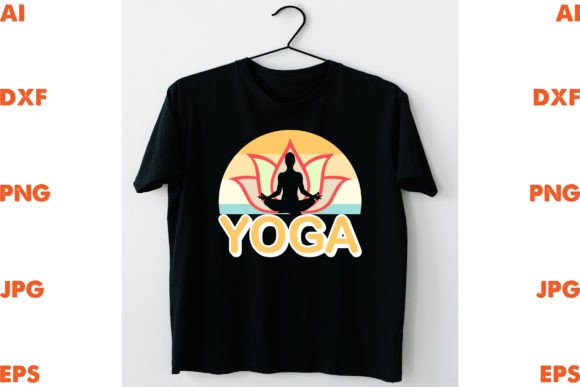
The first thing that strikes me about this design is its mood. It does not feel like a stiff corporate logo; instead, it carries a sense of flow and intentionality. The shape suggests movement, which is exactly what you want when creating apparel for active lifestyles or wellness-focused markets. Whether you are planning to use this as a t-shirt design for a boutique or as a subtle accent on a baby onesie, the visual personality of Yoga is versatile enough to fit into various niches without feeling out of place.
Real-World Application: From Screen to Stitch
Let's talk about how this actually looks when it leaves the computer screen and hits the hoop. I recently imagined using this design for a custom embroidered tote bag intended for a local yoga studio gift shop. The layout of Yoga feels balanced, allowing it to sit comfortably on the front panel of a canvas tote without overwhelming the fabric texture. However, the description mentions a size of 18 feet by 15 feet, which is an unusual dimension for standard embroidery files. This discrepancy requires immediate attention before you begin any production run.
In a real-life scenario, such as preparing personalized gifts for a holiday sale, the clarity of the stitches matters immensely. If you are aiming for a high-end look on a sweatshirt, the design must hold up under the weight of the garment. Yoga appears to have enough detail to create a professional finish, but only if the stitch density is appropriate. For a small business owner, the ability to edit all elements easily is a massive plus. It means you can tweak the spacing or adjust the thread colors to match a specific brand palette without needing complex software skills.
Consider the potential for this design in nursery decor or baby items. The soft, flowing nature of the artwork translates well to cotton blends often used in baby clothes. A mother looking for a personalized gift will appreciate a design that looks handcrafted rather than mass-produced. When you place Yoga on a pillow cover or a kitchen towel, the design adds a touch of sophistication that elevates the entire piece. It transforms a simple utility item into a statement piece that customers are willing to pay a premium for.
Where Caution is Required
While the design has strong appeal, there are specific situations where you need to exercise caution. Not every surface is suitable for every embroidery file. If you are working with small hoop sizes, the intricate details within Yoga might get lost or become distorted. Tiny lettering or delicate corners can be particularly tricky on textured fabrics or thin materials. You must ensure that the design does not overwhelm the available space, especially on curved surfaces like caps or hats.
Dark fabrics present another challenge. If the design relies heavily on light threads, it may lack the necessary contrast to stand out against a black or navy background. Conversely, on stretchy fabrics, the tension of the stitches could cause puckering if the stabilizer is not chosen correctly. For products that require frequent washing, such as aprons or activewear, the durability of the stitch density becomes critical. Dense stitch areas can sometimes trap lint or wear down faster if not executed with precision.
I also advise against using this design for items that need very fine detailing, such as tiny decorative accents or extremely small patches. If the original file contains elements that are too small to stitch cleanly, they may disappear entirely after the machine finishes. Always inspect the small details closely before committing to a large batch of production. If the design includes layered garments or complex backgrounds, test the compatibility first to avoid costly mistakes.
Impact on Visual Appeal and Brand Trust
The quality of your embroidery directly influences customer trust and brand consistency. A well-executed embroidery project signals professionalism and care. When a buyer sees a crisp, clean Yoga design on their custom apparel, they associate that quality with your entire brand. It enhances the handmade presentation and makes the item feel more valuable. In the competitive world of Etsy sellers and small shop products, these small details are what set you apart from generic manufacturers.
Furthermore, the versatility of Yoga allows for creative marketing strategies. You can use the design in printable mockups to showcase your services to potential clients. Seeing the design rendered on different backgrounds helps buyers visualize the final result. This engagement increases the likelihood of a sale because the customer feels confident in the outcome. Whether you are creating holiday embroidery items or wedding gifts, the design adds a personal touch that resonates emotionally with the recipient.
For commercial embroidery projects, the ability to customize the file is a game-changer. You can adapt the thread colors to match seasonal trends or client preferences. This flexibility ensures that your design assets remain relevant and useful over time. It also allows you to offer unique variations of the same product, keeping your inventory fresh and exciting for repeat customers.
Practical Designer Notes for Success
Before you start stitching, there are several steps you should take to ensure success. First and foremost, test the design on scrap fabric. This simple step reveals issues with tension, stability, or color contrast that you might miss otherwise. Check the stabilizer requirements carefully; using the wrong type can lead to unsightly results that ruin the entire piece.
Review the stitch density and confirm that the hoop size matches your machine's capabilities. Inspect the small details to ensure they will stitch clearly. It is also wise to test the design in black and white mockups to verify that the shapes remain distinct without relying on color. Compare the design on both light and dark fabric backgrounds to see how it performs in different lighting conditions.
If the file format is not specified, verify that it is compatible with your embroidery machine. Do not assume that a design works for both personal and commercial projects without checking the license terms. Confirm whether you are allowed to sell finished items made with this embroidery file or if there are restrictions on digital embroidery files. Finally, ensure that the dimensions provided (18 feet by 15 feet) are accurate for your intended application, as this seems unusually large for standard apparel.
In conclusion, Yoga offers a solid foundation for a wide range of handmade products. Its adaptable nature and clear visual identity make it a strong candidate for custom apparel and gift items. However, success depends on your preparation and attention to detail. By following these practical guidelines, you can transform this digital asset into a stunning finished product that delights your customers and strengthens your brand.