Design Review: Is This Embroidery File Ready for Real Projects?
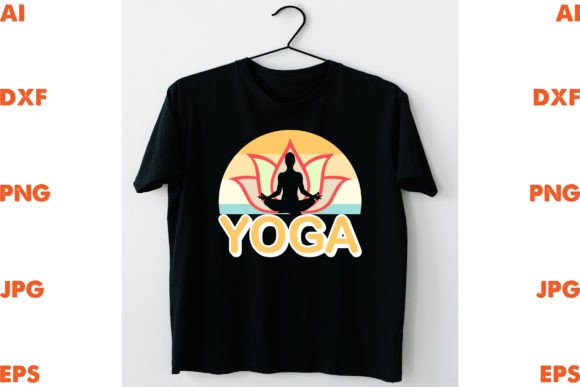
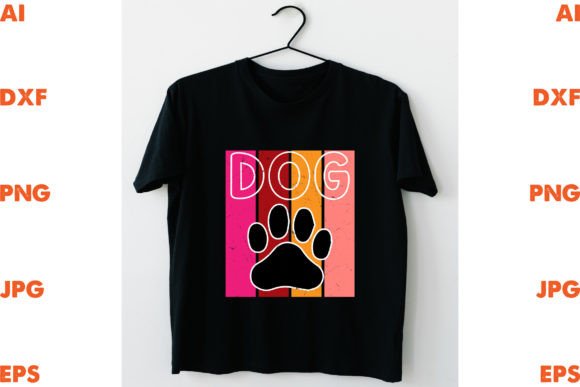
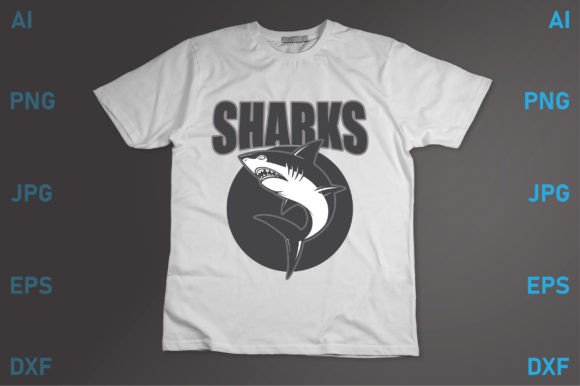
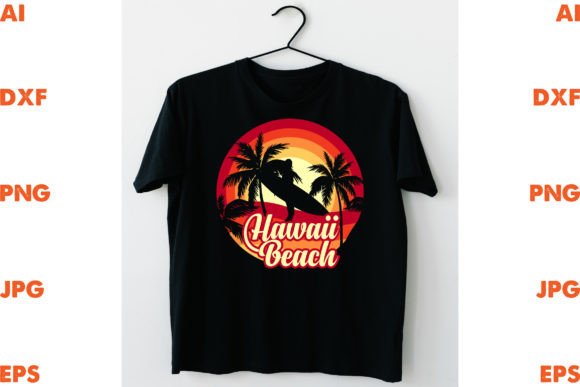
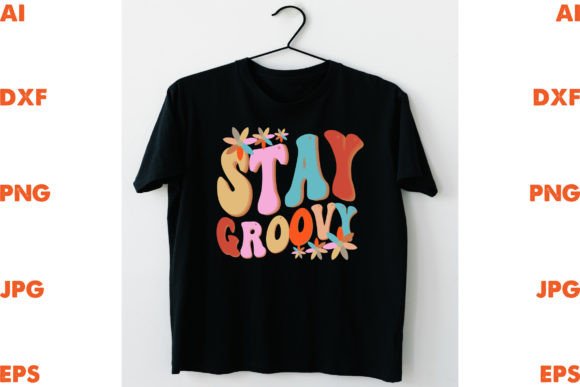
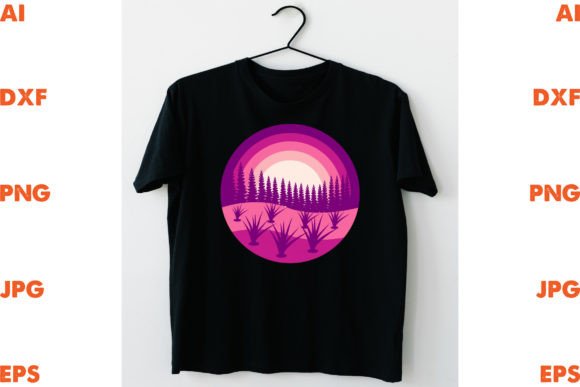
As a designer who has spent years turning digital files into tangible, stitched products, I approach every new download with a mix of excitement and skepticism. You are looking at Design, a product categorized under T-Shirt Designs and listed as Graphics. On the surface, it promises versatility: you can use this design for t-shirts, but also for other purposes. The description notes an impressive size of 18 feet by 15 feet and claims that all elements are easily editable. But does a file that looks good on a screen translate to a high-quality finished product when it hits the hoop? Today, I am putting Design through the practical test of real-world application.
The First Impression: Mood and Visual Personality
When you first open the ZIP folder containing Design, the initial feeling is one of potential. The layout suggests a bold statement piece rather than a subtle accent. For a machine embroidery design, the visual personality matters just as much as the stitch count. Does it feel playful, professional, or perhaps nostalgic? The ability to edit all elements easily is a massive plus for creative entrepreneurs who need to tweak a logo for a specific client or adjust text for a personalized gift.
In my experience, the most successful designs strike a balance between detail and simplicity. If Design relies too heavily on tiny details, it might get lost in the texture of the fabric. However, if it features strong lines and clear shapes, it will hold up beautifully on custom apparel like sweatshirts or tote bags. The mood it creates depends entirely on how you choose your thread colors. A monochromatic scheme might make it look sophisticated enough for boutique branding, while bright, contrasting threads could turn it into a fun craft business item perfect for holiday gifts.
Real-World Scenario: From Screen to Sweatshirt
Let's imagine a specific scenario. You are preparing a batch of merchandise for a local craft fair or an Etsy shop. You decide to create a line of embroidered sweatshirts featuring Design. You load the file into your digitizing software and check the stitch density. The 18-foot by 15-foot dimension (assuming this refers to the maximum canvas or intended output scale) suggests a large, impactful graphic. This isn't a small chest logo; this is a statement back-print or a full-frontal feature.
As you begin stitching, you notice how the design interacts with the fabric. On a thick cotton sweatshirt, the stitches lay flat and secure. The customer receiving this handmade product feels the quality immediately. The design doesn't pucker; it integrates with the garment. Now, consider a different use case: a baby item. If you shrink the scale appropriately and stitch Design onto a soft muslin onesie, the visual appeal shifts from bold to precious. It becomes a personalized gift that parents will cherish. The flexibility of the editable elements allows you to add a name or a date, transforming a generic graphic into a unique keepsake.
Where Design Shines in Your Business
This file is versatile enough to serve multiple roles in your workflow. Whether you are an Etsy seller looking to expand your catalog or a small shop owner creating branded merchandise, Design offers significant value. Here is where it performs exceptionally well:
- Custom Apparel: Beyond t-shirts, this works great on denim jackets, aprons, and pillow covers. The large size allows it to dominate the canvas without looking cluttered.
- Holiday Embroidery: With its editable nature, you can adapt the theme for Christmas, Halloween, or Easter. It fits perfectly on kitchen towels or blankets during the gift-giving season.
- Boutique Branding: Use it as a focal point for a brand identity. Stitch it onto tags or hangtags to give your finished product a professional touch.
- Digital Assets: Since you receive a ZIP folder with editable elements, you can create printable mockups for your online listings. Showing a realistic preview helps buyers visualize the final result before purchasing.
The key to success here is understanding that Design is not just a static image; it is a dynamic tool. When used correctly, it elevates the perceived value of your handmade products. Customers trust brands that pay attention to detail, and a clean, well-executed embroidery file signals professionalism.
Caution Areas: Where to Think Twice
However, even the best graphics have limitations. As an experienced reviewer, I must highlight where Design might struggle if applied without care. The large dimensions mean that smaller applications require careful scaling. If you attempt to fit this design into a small hoop size, you risk losing critical details or making the stitching so dense that the fabric puckers.
Textured fabrics, such as heavy bouclé or loose weaves, can hide the intricacies of the design. Similarly, stretchy fabrics like jersey knits require extra stabilizer support to prevent distortion. If you plan to use this on dark fabric, ensure you have enough underlay stitches to cover the background color effectively. Thin fabrics may tear under the tension of a large design, so always test on scrap material first.
Curved surfaces like caps present another challenge. While Design might look flat on a table, wrapping it around a curved hat brim can distort the proportions unless the digitizing accounts for the curvature. Also, be wary of dense stitch areas. If the design has large blocks of fill stitch, it can become stiff and uncomfortable against the skin, which is a major issue for baby embroidery or items worn directly against the body.
Practical Designer Notes for Success
To get the most out of this embroidery file, follow these practical steps before committing to a final production run. First, test the design on scrap fabric. This simple step reveals issues with thread tension, stitch density, and fabric compatibility that you cannot see on a computer screen.
Check your thread color contrast carefully. A design that looks vibrant on a monitor might appear muddy on actual yarn. Review the stitch types—whether it utilizes satin stitch for outlines, fill stitch for backgrounds, or running stitch for delicate details—and ensure they match the desired aesthetic. Confirm your hoop size matches the design dimensions; trying to force a large design into a small hoop often leads to misalignment.
Inspect small details closely. If there is any tiny lettering or fine lines, verify that they will stitch clearly. Test the design in black and white mockups to see if the composition holds up without relying on color. Compare how it looks on light versus dark fabric backgrounds to determine the best presentation strategy. Always use proper stabilizer to support the fabric during stitching, especially for commercial embroidery projects where durability is paramount.
Finally, confirm licensing terms. Before selling finished items or digital products, ensure you have the right to use Design commercially. Some files are for personal use only, while others allow you to sell the finished goods. Understanding these terms protects your small shop product business from legal issues.
Final Thoughts on Value and Trust
Ultimately, the success of an embroidery project comes down to the connection between the maker and the user. Design offers a solid foundation for creating high-quality, recognizable products. It has the potential to enhance your brand consistency and engage buyers who appreciate the artistry of handmade goods. By paying attention to fabric choice, stabilization, and testing, you can transform this digital file into a cherished finished product.
Whether you are crafting a personalized gift for a loved one or building a robust inventory for your craft business, Design provides the flexibility needed to adapt to various needs. It is a tool that rewards careful planning and thoughtful execution. For those willing to invest the time in preparation, this embroidery file can become a staple in your collection of design assets, helping you deliver excellence in every stitch.