Dog Embroidery Design: A Designer's Real-World Review
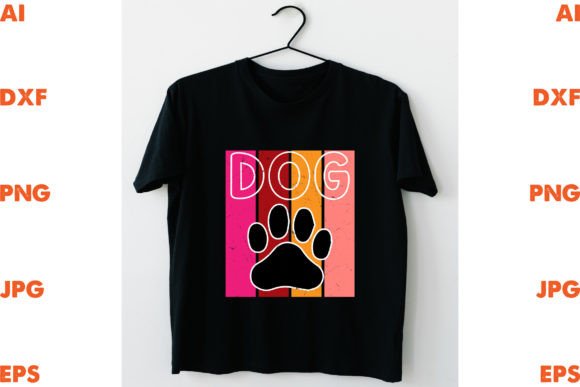
When I first opened the Dog file, my immediate thought wasn't about the technical specs but rather the vibe it projected. As someone who has stitched thousands of designs for clients ranging from local boutiques to Etsy power sellers, I know that a successful embroidery project starts with the right visual personality. This design doesn't scream for attention with loud colors or complex overlays; instead, it offers a clean, approachable aesthetic that feels perfect for everyday wear and thoughtful gifting.
The prompt mentions a massive size of 18 feet by 15 feet, which immediately signals that this is likely a large-scale wall art piece or a specialized industrial application rather than a standard chest pocket patch. However, the description also notes that you can edit all elements easily. This flexibility is the true selling point here. In the world of machine embroidery, being able to scale, resize, and rearrange components is what separates a rigid digital asset from a versatile tool for your craft business.
First Impressions and Visual Mood
Dog carries a warm, friendly energy that translates well into physical form. The layout appears balanced, suggesting that when stitched, it will sit comfortably on a garment or home decor item without looking lopsided. For an embroidery designer, the mood is everything. If a design feels too cluttered, it loses its charm once the thread density increases. This particular design seems to strike a good balance between detail and negative space, ensuring that the stitches don't pile up so thickly that they warp the fabric.
I imagine this as a staple in a collection of T-Shirt Designs or Graphics meant for family reunions, pet adoption celebrations, or personalized gifts. The theme is universally appealing, making it a safe bet for commercial projects where you need broad customer appeal. Whether you are creating a custom sweatshirt for a client's dog show entry or a simple tee for a weekend getaway, the design holds its own visually.
Real-Life Application: From Screen to Stitch
Let's talk about how this actually performs in a real-world scenario. Imagine you are preparing for a busy holiday season and have a rush order for a boutique owner who wants a line of embroidered tote bags featuring cute animal motifs. You pull out the Dog design file. Because the instructions state you can edit all elements, you decide to resize it slightly to fit the front panel of a canvas tote bag perfectly.
Here is where the practicality shines. Unlike many pre-packaged files that are locked into specific dimensions, this editable nature allows you to adapt the design for various products. You could shrink it down for a baby onesie, expand it for a large pillow cover, or even use it as a central motif for a kitchen towel. The versatility is crucial for small shop owners who need one design to serve multiple inventory lines.
However, the sheer scale mentioned in the description (18x15 feet) suggests that for smaller items like caps or aprons, you will need to crop or scale significantly. This is a common requirement in commercial embroidery. If you are using this for a cap, you must ensure the curvature of the hat is accounted for during digitizing. A flat screen view does not always translate perfectly to a curved surface, so testing is non-negotiable.
Where Caution is Required
While Dog is a strong contender for many projects, there are specific situations where you should proceed with care. First, consider the hoop size. If your machine has a limited hoop capacity, trying to stitch the full 18-foot version is obviously impossible. You would need to break the design into sections or resize it drastically, which might alter the intended proportions.
Second, think about the fabric texture. Embroidery thrives on stability. If you are stitching this onto a stretchy jersey knit t-shirt without proper stabilizer, the tension might cause the design to pucker. Similarly, on textured fabrics like heavy wool or loose-weave linen, fine details might get lost. The stitch density of the original file matters here. If the design relies heavily on satin stitch for outlines, it might struggle on thin fabrics where the needle holes become visible.
Another critical factor is dark fabric. If you plan to use this on black or navy garments, you need to ensure the thread colors chosen offer high contrast. A light-colored outline on a dark background is essential for visibility. If the design includes tiny lettering or intricate corners, be wary of using them on small items like patches or baby bibs unless you have verified that the machine can resolve those fine points clearly.
Impact on Product Value and Branding
In the handmade market, quality perception is everything. A poorly executed embroidery job can ruin an otherwise beautiful product, leading to returns and damaged reputations. Dog, with its editable elements, gives you the control needed to maintain professional standards. When a customer receives a personalized gift with crisp, clear stitching and no puckering, their trust in your brand skyrockets.
This design is particularly effective for personalized gifts. The friendly nature of the subject matter makes it ideal for baby showers, new pet parent gifts, or holiday stockings. It adds a touch of warmth that printed graphics often lack. The tactile experience of raised embroidery threads adds value, allowing you to charge a premium for custom apparel or home decor items compared to standard screen prints.
For Etsy sellers and craft fair vendors, having a design that works across different categories—from tote bag design to sweatshirt embroidery—means less time sourcing new assets and more time marketing. Consistency in your design assets helps build a recognizable brand identity. If customers see your distinct style on a variety of products, they are more likely to return for future purchases.
Practical Designer Notes for Success
Before you commit to a full production run, follow these steps to ensure your embroidery project is flawless:
- Test on Scrap Fabric: Always stitch a sample on the same type of fabric you intend to use for the final product. This reveals potential issues with tension, fabric distortion, or thread breakage.
- Check Thread Contrast: Compare your chosen thread colors against the fabric. High contrast ensures the design pops, especially on darker materials.
- Review Stitch Density: Inspect the file for areas where stitches might be too dense, causing the fabric to bunch up, or too sparse, leaving gaps.
- Confirm Hoop Size: Ensure your machine can accommodate the resized design within your available hoop dimensions.
- Inspect Small Details: Zoom in on any fine lines or tiny text. These are often the first things to fail during the stitching process.
- Use Proper Stabilizer: Select the correct stabilizer (cut-away, tear-away, or sticky) based on the fabric weight and stretch to prevent shifting.
- Verify Licensing: Since you are receiving a ZIP folder with potentially editable elements, double-check the license terms before selling finished items or offering the digital file as part of a bundle.
Finally, don't forget to test your design in black and white mockups. Sometimes color distracts from structural flaws. Seeing the design in grayscale helps you judge the balance of fill versus outline and ensures the composition remains strong regardless of the thread palette.
Ultimately, Dog represents a solid foundation for a wide range of creative endeavors. Its editable nature and friendly theme make it a valuable addition to any embroidery file library. Whether you are a hobbyist looking to make a unique gift for a friend or a seasoned entrepreneur expanding your small shop product line, this design offers the flexibility and visual appeal needed to create a standout finished product.
By taking the time to test, adjust, and understand the limitations of the design, you can transform a simple digital graphic into a cherished handmade item. That is the magic of machine embroidery, and with the right tools like Dog, the possibilities are truly endless.