Sharks: A Designer's Review for Real Embroidery Projects
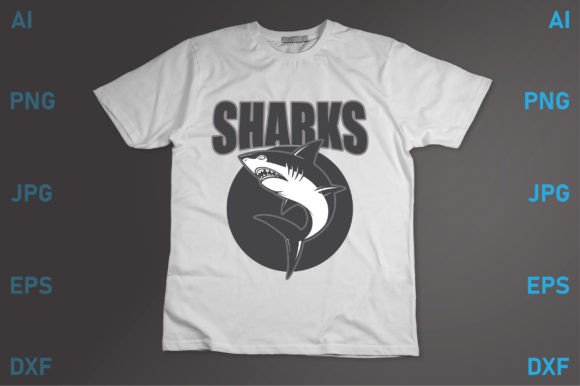
When I first opened the Sharks design file, my immediate thought wasn't about the technical specs but about where this would actually live on a finished product. As someone who has spent years reviewing embroidery files for everything from boutique clothing lines to custom gifts, I know that a great graphic is only as good as its execution in thread. This piece carries a distinct mood—it is bold, slightly aggressive, yet undeniably playful. It feels like a design meant to make a statement rather than blend into the background.
The dimensions provided, 18 feet by 15 feet, suggest a massive scale intended for large-format applications or perhaps a very specific digital mockup context. However, for most standard machine embroidery projects involving t-shirts, tote bags, or patches, we need to translate that visual weight into something stitchable and wearable. The ability to edit all elements easily is a significant advantage here. In the world of T-Shirt Designs, flexibility is key. If you are an Etsy seller or a small shop owner, being able to tweak the layout to fit a specific garment without breaking the vector integrity can save hours of frustration.
Real-World Application: From Screen to Stitch
Let's talk about a real scenario. Imagine you are preparing for a holiday craft fair or launching a new line of handmade aprons. You have a batch of heavy cotton canvas ready for decoration. You pull up Sharks and consider placing it on the chest of a denim jacket or the center back of a sweatshirt. The visual personality of the shark suggests movement. In a static photo, it looks cool; in motion, it needs to hold its shape.
If you are using this for a tote bag design, the sharp angles and dynamic lines of the shark work exceptionally well against the flat surface of canvas or linen. The design creates a focal point that draws the eye immediately. For a sweatshirt embroidery project, the density of the fill stitches will add a nice texture to the fleece, making the garment feel more premium. However, if you are thinking about baby embroidery for a onesie, you must be cautious. The size and complexity might overwhelm a tiny garment unless you significantly reduce the scale.
I also envision this working beautifully as a custom apparel item for a surf shop or a marine biology club. The theme resonates with outdoor enthusiasts. When used as a commercial embroidery asset for a small business, the clean lines ensure that the logo remains recognizable even after repeated washing. It adds a layer of professionalism that generic clip art simply cannot achieve. Customers trust brands that invest in high-quality, editable design assets because they signal attention to detail.
Navigating Technical Challenges and Fabric Choices
While Sharks has a strong visual appeal, every experienced designer knows that the devil is in the details of the stitching process. Not every fabric plays nicely with complex graphics. If you attempt to stitch this on a stretchy jersey knit without proper stabilization, you risk distortion. The curves of the shark could warp, turning a sleek silhouette into something misshapen. Always use a cut-away stabilizer for knits to maintain the structural integrity of the design.
Texture is another factor. On a heavily textured fabric like a boucle or a thick corduroy, the fine details of the shark might get lost. The thread could sink into the weave, reducing the crispness of the satin stitch outlines. Conversely, on smooth fabrics like sateen or tightly woven cotton, the design will pop with clarity. Dark fabrics present their own challenge. Unless you choose high-contrast thread colors, the definition of the shark could be muted. I recommend testing your thread palette on a scrap piece of the actual fabric before committing to the final product.
Hoop size is critical when dealing with a design that claims such large dimensions. If you are trying to fit this into a small hoop, you may run into issues with alignment or reach. For a caps or hats application, the curved surface requires careful tension management. The density of the fill stitches can sometimes cause puckering on curved surfaces if the machine tension isn't adjusted correctly. It is wise to test the design on a curved surface first to ensure the edges lay flat.
Visual Appeal and Product Value
How does Sharks affect the perceived value of your finished product? A well-executed embroidery design elevates a simple t-shirt into a collectible item. The clarity of the running stitch and the smoothness of the fill stitch areas determine whether a customer sees a mass-produced item or a handcrafted treasure. When buyers see a design that is sharp, symmetrical, and free of loose threads, their trust in your brand increases.
This design is particularly effective for personalized gifts. Whether it is a monogrammed towel featuring the shark motif or a patch sewn onto a backpack, the editability allows you to integrate names or dates seamlessly. For holiday embroidery projects, the versatility of the file means you can adapt it for seasonal themes—perhaps adding festive colors or combining it with other elements. The potential for printable mockups is also high; since the elements are editable, you can create stunning digital previews for your online store without needing expensive photography.
Practical Notes for the Design Professional
Before you start stitching, there are essential steps to take to ensure success. First, always test the design on scrap fabric. This helps you gauge the stitch density and ensures that the thread tension is correct for your specific machine. Check the thread color contrast thoroughly; what looks good on a screen might not translate well to thread.
Review the stabilizer requirements carefully. Depending on the fabric you are using, you may need a tear-away, cut-away, or water-soluble stabilizer to support the weight of the design. Confirm the hoop size needed for the full extent of the artwork to avoid mid-stitch re-hooping, which can ruin alignment. Inspect small details closely; sometimes, intricate parts of a design like the gills or teeth can become tangled if the digitization was not optimized for embroidery.
It is also vital to check the licensing terms before selling finished items. While the file comes in a ZIP folder with editable elements, the commercial rights vary. Ensure you have the permission to sell products made with this embroidery file. Finally, compare your design in both black and white and on light and dark backgrounds to see how it holds up under different lighting conditions. This step is crucial for maintaining brand consistency across your product line.
In conclusion, Sharks is a versatile and powerful tool for any craft business looking to expand its offerings. Whether you are creating embroidered patches, kitchen towels, or nursery decor, this design offers the flexibility needed for modern production. By understanding its strengths and respecting its limitations regarding fabric and hoop size, you can produce professional-grade items that customers will love. It is a design that demands respect for the craft, rewarding those who take the time to execute it properly.