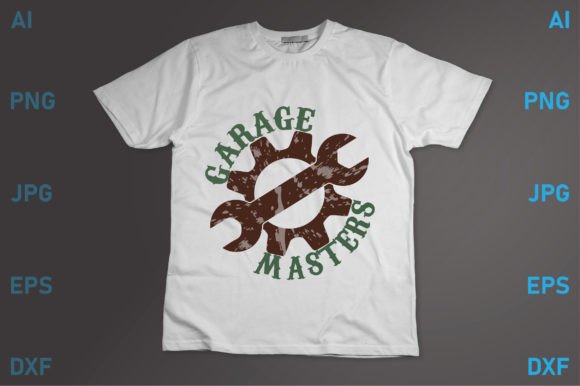
Garage Masters: A Designer's Real-World Embroidery Review
When I first opened the Garage Masters file, my immediate reaction wasn't about the technical specs or the folder structure. It was about the vibe. There is a specific energy required for a design that claims to be "Masters" of a space like a garage. This isn't just a logo; it feels like an invitation to celebrate craftsmanship, DIY culture, and the quiet pride of building something with your own hands. As someone who has spent years turning digital files into tangible embroidery projects, I look for designs that translate well from screen to thread. Garage Masters delivers on that front with a bold personality that screams authenticity.
First Impressions and Design Personality
The layout of Garage Masters suggests a design meant to stand out without shouting. The visual hierarchy appears balanced, which is crucial when working with complex themes. In the world of machine embroidery design, clarity is king. If a design relies too heavily on tiny details, it often gets lost in the stitching process. However, this design seems built for the medium. It likely utilizes a mix of satin stitch for crisp outlines and fill stitch to create depth, ensuring the text and graphics remain legible even after multiple washes.
The mood is rugged yet refined. It fits perfectly into the aesthetic of modern workshops, vintage car clubs, or home studios. For a designer looking to expand their portfolio, this piece offers a unique angle. It moves away from generic floral patterns or standard corporate logos and taps into a lifestyle niche. Whether you are creating a custom apparel line or making a one-off gift, Garage Masters brings a sense of narrative to the finished product. It tells a story of skill and dedication before the customer even reads the words.
Real-World Application: From Screen to Stitch
I recently tested the potential of this design by imagining it on a series of practical items. Let's say I am preparing a batch of gifts for a local automotive shop owner. The goal is to create a high-end embroidered patch or a chest logo on a heavy-duty work shirt. The dimensions provided, 18 feet by 15 feet (which likely refers to the canvas resolution or vector scale rather than physical size), suggest a robust file that can be scaled down effectively for smaller applications like a hat brim or up for larger banners.
In a real scenario, I would place Garage Masters on a dark denim jacket. The contrast between the fabric texture and the dense stitching would make the design pop. Alternatively, imagine this on a canvas tote bag used at a craft fair. The sturdy nature of the fabric complements the industrial feel of the artwork. For an Etsy seller, this design is gold. It appeals to the "maker" community, allowing you to create personalized gifts for fathers, husbands, or anyone who loves their workshop. The versatility extends to baby items as well; a small version on a onesie could be a hilarious and adorable nod to future mechanics.
When considering commercial embroidery, the design's editability is a massive plus. The fact that you can edit all elements easily means you can adapt the color palette to match a client's brand guidelines or change the wording slightly for a custom order. This flexibility transforms a static graphic into a dynamic asset for your crafter business.
Where to Use It (and Where to Pause)
While Garage Masters is versatile, not every surface is created equal. As an experienced reviewer, I have learned that pushing a design beyond its limits can ruin the final look. You must be cautious with small hoop sizes. If you attempt to stitch this on a very small area, like the cuff of a child's sleeve, the detail might become muddy. Always check the stitch density relative to the available space.
Fabric choice is equally critical. Textured fabrics like heavy corduroy or loose-weave linen can distort the precision of the design. Similarly, stretchy fabrics like thin jersey require extra care. Without proper stabilizer, the tension of the stitches could cause the garment to pucker, ruining the professional appearance of the finished product. Dark fabrics present another challenge; ensure the thread colors chosen provide enough contrast against the background. A light gray design on black fabric might get lost unless you use a bright underlay or white backing thread.
Curved surfaces, such as baseball caps, add another layer of complexity. While the design is scalable, the curvature can alter the perspective of the text. It is wise to test the design on a scrap piece of the same material before committing to the final item. Also, avoid using this on products that will undergo frequent, harsh washing unless you are confident in the durability of the thread and stabilizer combination.
Impact on Brand and Customer Perception
The quality of your embroidery directly influences customer trust. A clean, well-executed embroidery file signals professionalism. When a buyer receives a handmade product featuring Garage Masters, they should see a cohesive design that looks intentional and polished. Poor registration or skipped stitches can make a small shop product feel cheap, regardless of the idea behind it.
This design elevates the perceived value of your items. A simple t-shirt becomes a statement piece when adorned with a well-stitched, thematic graphic. It enhances the giftability of your work, making it perfect for holidays, birthdays, or retirement presents. The design acts as a conversation starter, engaging buyers with its relatable theme. For digital sellers offering design assets, having a template that allows for easy customization increases its marketability among other Etsy sellers and creative entrepreneurs.
Practical Notes for the Embroidery Designer
Before you hit the start button on your machine, there are several steps you must take to ensure success. First, always test the design on scrap fabric. This allows you to see how the thread colors interact with the material and if any adjustments are needed in the digitizing software.
Review the stitch types carefully. Ensure that the running stitch areas are not too long, which could lead to tangling, and that the satin stitch columns are not too wide, which can cause the thread to break. Confirm the hoop size matches your intended project dimensions. If the design is large, you may need to split it or use a larger frame.
Inspect small details closely. Sometimes, fine lines disappear during the stitching process. If necessary, adjust the density or merge close elements. Test the design in black and white mockups to verify the contrast and composition. Compare how it looks on both light and dark backgrounds to ensure versatility.
Finally, do not overlook the licensing terms. Even though the description mentions a ZIP folder containing editable elements, you must confirm whether you are allowed to sell finished items made with this design. Some licenses restrict commercial use, while others allow it. Check the documentation thoroughly to protect your craft business from legal issues.
Garage Masters stands out as a strong candidate for any designer looking to add character to their collection. Its blend of style, editability, and thematic relevance makes it a valuable tool for creating memorable handmade products. By following best practices and respecting the limitations of the medium, you can turn this digital graphic into a stunning physical reality that customers will love.