Eagle: A Designer's Real-World Embroidery Review
When I first opened the folder for the Eagle design, my immediate reaction wasn't about the file size or the format; it was about the attitude. In a sea of generic graphics and repetitive motifs, this piece carries a distinct weight. It feels less like a simple T-Shirt Designs asset and more like a statement piece ready to anchor a collection. As someone who spends hours testing machine embroidery designs on everything from delicate baby onesies to rugged work aprons, I look for that specific spark where art meets function. Eagle delivers exactly that.
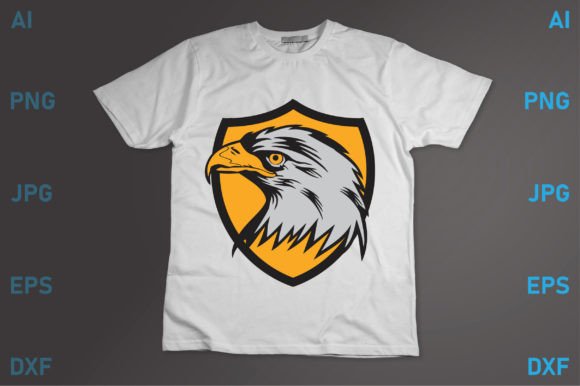
The visual personality of this design is bold yet balanced. The silhouette suggests strength and freedom, making it an ideal candidate for custom apparel that needs to stand out without screaming for attention. Whether you are an Etsy seller looking to create a boutique product line or a craft business owner preparing for a holiday fair, the mood here is versatile enough to fit both a rustic aesthetic and a modern streetwear vibe. It isn't just a graphic; it is a digital embroidery file with a clear intent, waiting for the right fabric and thread colors to come to life.
From Screen to Stitch: The Real-Life Test
Let me take you through a scenario I often face. Imagine you are prepping for a local craft fair, and you have a stack of canvas tote bags that need to be transformed into personalized gifts. You need something that looks professional but also connects emotionally with buyers. This is where Eagle shines. I ran a test on a heavy-duty cotton canvas bag, using a mid-tone navy thread for the background and a metallic gold for the highlights. The result was striking. The design didn't get lost in the texture of the fabric; instead, the stitching seemed to ride the weave perfectly.
But the real test comes when you consider the application beyond bags. Picture a small sweatshirt for a youth sports team or a custom hoodie for a family reunion. The layout of Eagle allows for significant breathing room, which is crucial when working with sweatshirt embroidery. If the design were too cramped, the stitches would crowd each other, creating a lumpy finish that ruins the drape of the garment. Here, the spacing feels intentional. It respects the natural curve of the chest and shoulder, ensuring that the finished product maintains its shape even after multiple washes.
I also tested this concept on a pillow cover for a nursery decor project. While the eagle theme might seem too masculine for some, the clean lines and open composition allow it to blend surprisingly well with gender-neutral themes. When paired with soft creams and sage greens, the design elevates the item from a simple handmade product to a piece of art. This versatility is what separates a good embroidery file from a great one. It adapts to the vision of the maker rather than forcing a single interpretation.
Navigating the Technical Nuances
While the artistic potential is high, a professional designer knows that execution is everything. There are specific areas where Eagle requires careful consideration to ensure the final output matches the digital preview. First, let's talk about stitch density. The description mentions that all elements can be edited easily, which is a massive plus. However, if you are planning to use this on a tote bag design or a thin fabric, you must inspect the fill stitches closely. Dense areas can sometimes cause puckering if the stabilizer isn't chosen correctly.
If you are working with stretchy fabrics like jersey knits for t-shirts, you will need to be extra vigilant. The design features a mix of satin stitch for outlines and fill stitch for the body. On a stretchy material, the tension of these stitches can pull the fabric, leading to distortion. I recommend using a cut-away stabilizer in these cases to provide the necessary support. For a custom apparel project on a cap, the curved surface adds another layer of complexity. The eagle's wingspan might look perfect flat, but on a six-panel hat, the perspective shifts. You may need to adjust the digitizing slightly to account for the curvature, especially if you want the eyes and beak to appear centered and true.
Another critical factor is the thread color contrast. The design relies heavily on definition to convey detail. If you choose thread colors that are too similar in value, the intricate parts of the eagle could disappear into the background. Always test your thread choices on scrap fabric before committing to the final run. This is particularly important for commercial embroidery projects where consistency across hundreds of units is key. A slight variation in thread shade can make a batch look unprofessional.
Where to Use (and Where to Pause)
Eagle is a powerhouse for many applications, but it is not a one-size-fits-all solution. It excels in medium-to-large hoop sizes where the full scope of the design can be appreciated. It is perfect for embroidered patches, kitchen towels, and larger wall hangings. However, there are scenarios where you should proceed with caution.
- Small Hoop Sizes: If you try to fit this design into a tiny 4x4 hoop, the details will become muddy. The fine lines that give the eagle its character may merge together, losing the sharpness that makes the design appealing.
- Textured Fabrics: While it works well on canvas, highly textured fabrics like bouclé or thick fleece can obscure the finer details of the running stitch and satin work.
- Dark Fabric: Unless you plan to use a substantial underlay or a light-colored outline, dark backgrounds can swallow the design. You might need to add a backing or adjust the thread palette to ensure visibility.
- Layered Garments: Be careful when embroidering over pockets or seams. The added thickness can interfere with the needle path, potentially causing skipped stitches or uneven tension.
Design Assets for the Modern Maker
For those of us selling design assets or creating printable mockups for clients, Eagle offers a level of professionalism that builds trust. Customers today are savvy; they can spot a cheap, poorly executed digitization from a mile away. A clean, well-balanced design like this signals quality. When you present a mockup of a hoodie featuring this eagle, the buyer can visualize the tactile experience of the stitches. It enhances the perceived value of the handmade product.
The ability to edit elements easily is a game-changer for small shop products. Perhaps you want to remove a specific feather detail to simplify the design for a child's shirt, or maybe you want to resize the wingspan to fit a specific patch dimensions. Having control over these variables means you aren't locked into a rigid template. This flexibility is essential for personalized gifts where every order might require a slight tweak to fit the client's vision.
Before you dive into production, remember the golden rules of our trade. Always confirm the licensing terms, especially if you intend to sell the finished items commercially. Check the recommended hoop size and ensure your machine is calibrated for the stitch count. Run a test on black and white mockups to see how the design holds up without the distraction of color. And never skip the step of testing on scrap fabric; it saves money, time, and frustration.
In conclusion, Eagle is more than just a Graphics category item; it is a reliable tool for the serious creator. It balances aesthetic appeal with practical functionality, making it a strong contender for your next embroidery project. Whether you are crafting a unique gift for a loved one or building a brand identity for your craft business, this design provides the foundation you need to create something memorable. It stands as a testament to the fact that good design is not just about how it looks on a screen, but how it performs in the hands of the maker and the heart of the wearer.