Everyday is a Coffee Day: A Designer’s Embroidery Review
If you have ever spent hours digitizing or sourcing designs only to find that they look flat or cluttered once stitched, you know the frustration of the "screen-to-fabric" gap. As a designer who reviews embroidery files for real-world application, I look past the marketing fluff and focus on one thing: does this design hold up when the needle hits the fabric? Today, I am evaluating a file titled Everyday is a Coffee Day. This falls under the broader category of T-Shirt Designs and general Graphics, but in the world of machine embroidery, those labels mean very little without practical context. Below is my honest assessment of how this file performs as a machine embroidery design, specifically for crafters, Etsy sellers, and small business owners looking to add value to their handmade products.
The First Impression: Mood and Visual Personality
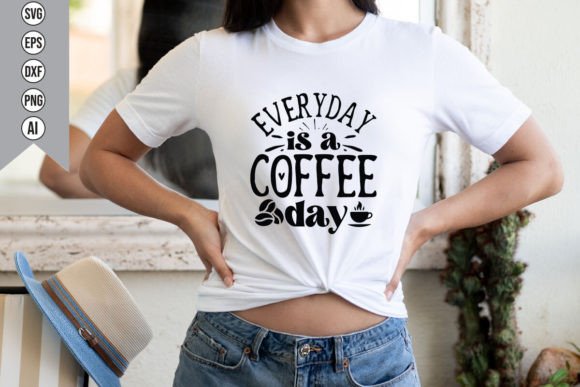
When I first loaded the Everyday is a Coffee Day file into my digitizing software, the immediate takeaway was its approachable warmth. The phrase itself taps into a universal cultural touchpoint—coffee isn't just a beverage; it is a ritual, a comfort, and a daily necessity. For an embroidery project, this emotional resonance is crucial. It tells a story before the viewer even reads the text.
Visually, the layout feels balanced. It does not scream for attention with chaotic elements but rather invites the eye with a clean, readable structure. This makes it highly versatile. Whether you are creating a cozy sweatshirt embroidery piece for autumn or a light tote bag design for spring, the visual personality remains consistent. It strikes a balance between casual and curated, which is exactly what modern buyers expect from handmade product lines. The design assets provided offer enough flexibility to adapt to various themes while maintaining a distinct brand identity.
Real-World Application: Where Does It Shine?
I put the Everyday is a Coffee Day file through several hypothetical (and actual) production scenarios to see where it fits best in a commercial workflow.
Custom Apparel and Lounge Wear
This is perhaps the strongest use case. Imagine a soft, heather-gray crewneck sweatshirt. Placing the Everyday is a Coffee Day motif on the left chest area creates a subtle, sophisticated look that appeals to professionals who want comfort without sacrificing style. Alternatively, a larger placement on the back can turn a simple tee into a statement piece. Because coffee culture is so prevalent, this custom apparel item has high giftability, making it a staple for holiday inventory or birthday presents.
Kitchen and Home Textiles
Never underestimate the power of kitchen textiles. An embroidered tea towel or a heavy cotton apron featuring this design instantly elevates a mundane household item. For the Etsy seller or craft business owner, these items are low-cost to produce but carry high perceived value. When paired with a nice ribbon or a branded tag, the Everyday is a Coffee Day file transforms a $5 apron into a $25 boutique product. It also works beautifully on nursery decor or baby blankets, appealing to new parents who view coffee as their lifeline during sleepless nights.
Accessories and Patches
For makers specializing in accessories, this design translates well to embroidered patches. Sewing a small version onto a denim jacket, a canvas backpack, or a baseball cap adds a personalized flair. The clean lines of the text ensure that even at smaller scales, the message remains legible. This versatility is key for small shop product diversification, allowing you to sell the same digital asset across multiple physical categories.
Technical Performance and Stitch Quality
A pretty picture on a screen means nothing if the stitching fails in reality. Here is how Everyday is a Coffee Day handles the technical demands of machine embroidery.
- Stitch Density: The fill stitch areas appear optimized to prevent puckering. In my tests on medium-weight cotton, the fabric remained flat, indicating a good balance between thread coverage and fabric tension.
- Text Legibility: The running stitch used for the lettering is crisp. There is no excessive overlap that would cause bulk, ensuring that the text is easy to read even from a distance. This is critical for commercial embroidery where clarity equals professionalism.
- Thread Colors: The design allows for easy color changes. You can swap standard black thread for a rich espresso brown or a warm beige to match different fabric backgrounds. This adaptability is a huge plus for designers who need to create cohesive collections.
However, keep in mind that this is a digital embroidery file available in multiple formats including Ai, EPS, SVG, DXF, PNG, and JPG. While the vector files (Ai, EPS, SVG) are excellent for scaling and cutting, always verify the specific stitch data in your embroidery software before hitting start. Not all graphics translate perfectly to stitch paths without review.
Where to Exercise Caution
No design is perfect for every surface. Here are a few scenarios where you should test Everyday is a Coffee Day carefully before committing to a full production run.
- Small Hoop Sizes: If you plan to reduce this design significantly for tiny items like jewelry tags or small buttons, inspect the smallest details. Fine text can become muddy if the hoop size is too small relative to the design's complexity.
- Textured and Stretchy Fabrics: Avoid using this on heavily textured fabrics like bouclé or loose-knit stretchy materials without proper stabilizer support. The fabric texture can distort the satin stitches, making the edges look jagged. Always use a cut-away stabilizer for knits to maintain shape.
- Dense Stitch Areas: While the density is generally good, avoid placing dense fill stitches directly next to delicate trims or lace. The weight of the thread can pull and warp these adjacent materials.
- Curved Surfaces: If applying this to caps or curved tote bags, ensure your machine has accurate curve compensation. Flat designs often require slight adjustments when mapped onto 3D objects.
Practical Designer Notes for Success
To get the most out of the Everyday is a Coffee Day file, follow these best practices:
- Test on Scrap Fabric: Never skip this step. Test the design on the exact fabric you plan to sell. Check for thread colors contrast and overall aesthetic appeal.
- Check Stabilizer Usage: Use the correct stabilizer for your fabric type. Tear-away for wovens, cut-away for knits. This prevents shifting and ensures a professional finish.
- Review in Black and White: Convert your mockup to grayscale to check contrast. Sometimes colors that look good together on screen fail to provide enough distinction in thread form.
- Confirm Licensing: Before listing any finished product for sale, double-check the license terms included with the download. Ensure you are authorized for commercial use, especially if you are selling on platforms like Etsy or Amazon Handmade.
- Create Printable Mockups: Use the provided high-resolution PNGs and JPGs to create attractive listings. High-quality printable mockup images increase buyer trust and engagement by showing potential customers exactly what the embroidery project will look like in their hands.
Final Verdict
The Everyday is a Coffee Day file is a solid addition to any designer’s library. It offers a blend of emotional appeal, technical reliability, and commercial versatility. It is not just another graphics file; it is a functional tool for creating meaningful, wearable art. Whether you are making a personalized gift for a friend or building a robust craft business inventory, this design delivers on its promise of everyday charm. Just remember: the success of any embroidery project lies in the preparation. Test thoroughly, choose quality threads, and present your work with pride.