At My Age I Need Glasses: A Designer's Real-World Review
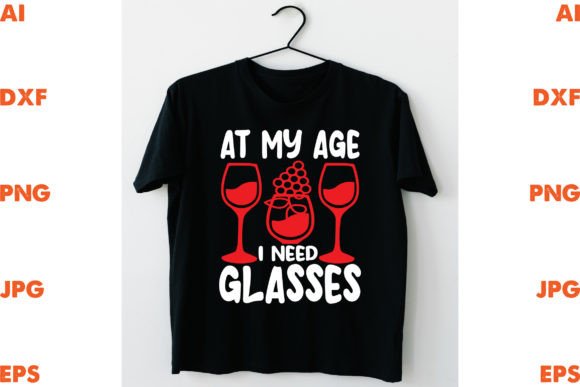
When you first open the folder for At My Age I Need Glasses, you get an immediate sense of humor and relatability. As a designer who has stitched hundreds of files for clients, my first reaction isn't just about the text; it is about the mood. This design feels like a wink from someone who knows life gets harder to see but easier to enjoy. It is not a generic clip-art joke; it has a specific personality that works best when paired with high-quality thread choices and thoughtful fabric selection.
I have spent time evaluating this file to see if it holds up in a real commercial setting. The product description mentions a size of 18 feet by 15 feet, which seems unusually large for standard embroidery unless we are talking about massive wall hangings or specific scaling instructions. For most apparel projects, such as t-shirts or tote bags, you will likely need to resize this significantly. Before you commit to a production run, you must verify the actual stitch count and dimensions within your digitizing software. If the file is indeed editable, that is a huge plus for adapting the layout to fit different garment sizes without losing the core message.
Visual Personality and First Impressions
The layout of At My Age I Need Glasses suggests a casual, friendly vibe. It screams "handmade" rather than "factory mass-produced." When I look at the potential for this design, I imagine it sitting perfectly on a soft cotton tee or a rugged canvas tote. The text itself carries the weight of the project. It needs to be legible from a distance, which means the font choice and spacing are critical. If the original file uses thin lines for the lettering, you might find yourself struggling with stability on stretchy fabrics. However, if the design utilizes bold fill stitches, it will stand out beautifully against dark backgrounds.
In terms of visual appeal, this design taps into the nostalgia of aging gracefully. It is perfect for gift-giving scenarios where the recipient appreciates wit over flashiness. Whether you are creating a retirement gift, a birthday present for a parent, or merchandise for a boutique targeting a mature demographic, this piece fits naturally. It does not feel forced; it feels like something a customer would actually wear or display with pride.
Real-Life Application: The Custom Tote Bag Scenario
Let's walk through a practical scenario. Imagine you are preparing for a craft fair or launching a new line on Etsy. You decide to create custom embroidered tote bags for a local library book sale. You choose At My Age I Need Glasses because it resonates with the readership—people who love books and perhaps have slightly weary eyes after reading long chapters.
You start by hooping a heavy-duty canvas bag. The design looks promising, but you realize quickly that the curve of the bag handles might distort the text if placed too close to the edge. You adjust the placement, moving it slightly lower on the front panel. You select a cream-colored thread for the text to contrast sharply against the navy blue canvas. The result is professional and charming. Customers stop to touch the texture, noting the quality of the stitching. They comment on the humor, and the bag sells out within hours. In this context, the design transforms a simple utility item into a conversation starter.
This same logic applies to other products. Try it on a sweatshirt for a cozy holiday gathering. The soft fleece provides a great background for satin stitches, making the glasses graphic pop. You could even adapt it for baby items, though the theme might be more suitable for older children or parents joking about their own vision struggles. The versatility is there, provided you respect the scale of the design.
Where to Use Caution
While this design has strong potential, it is not a one-size-fits-all solution. There are specific situations where At My Age I Need Glasses might struggle. If you are working with small hoop sizes, such as those used for baseball caps or small wrist patches, you may find the design too wide. Attempting to force a large layout onto a curved surface can lead to puckering and distortion.
Textured fabrics also pose a challenge. If you try to embroider this directly onto a thick, looped towel or a rough burlap without proper stabilizer, the needle might skip stitches, leaving gaps in the letters. Thin fabrics, like silk or lightweight polyester blends, require extra care. Without a cut-away stabilizer underneath, the tension of the stitches could pull the fabric into wrinkles, ruining the clean look of the text.
Dense stitch areas are another consideration. If the design includes detailed elements representing the glasses themselves, ensure they are not too intricate for your machine. Very fine details often get lost in the stitching process, especially if the thread count is low. Additionally, if you plan to wash the finished product frequently, check the density of the fill stitches. Loose fills can snag easily, while overly dense areas can make the fabric stiff and uncomfortable to wear.
Technical Notes for the Embroidery Designer
To get the best results with this file, follow these practical steps before starting your final project:
- Test on Scrap Fabric: Always run a test stitch-out on a scrap piece of the same material you intend to use. This reveals how the design behaves under tension and helps you spot any potential issues with alignment or density.
- Check Thread Color Contrast: Ensure your thread colors provide enough contrast against the fabric. A light grey thread on a white shirt might disappear, whereas a black thread on a white shirt will be crisp and clear.
- Review Stitch Density: Open the file in your digitizing software and inspect the stitch density. If the areas are too dense, consider adjusting them to reduce bulk and improve the hand feel of the final product.
- Confirm Hoop Size: Verify the dimensions of the design against your available hoops. If the file is indeed 18 feet by 15 feet as stated in the description, you will need to resize it drastically for most apparel applications.
- Inspect Small Details: Zoom in on the edges of the letters and any graphical elements. Look for jagged corners or loose threads that might indicate poor digitizing.
- Test in Black and White: Create a grayscale mockup to see how the design translates in monochrome. This helps ensure the text remains readable regardless of the color scheme.
- Use Proper Stabilizer: Select the right stabilizer (cut-away, tear-away, or water-soluble) based on the fabric type. This is crucial for maintaining the shape of the design over time.
- Check Licensing: Before selling finished items, confirm the license terms included in the ZIP folder. Some digital files allow personal use only, while others permit commercial sales of physical goods.
Impact on Product Value and Brand Trust
The way you execute At My Age I Need Glasses directly influences how customers perceive your brand. A sloppy stitch job can make even the funniest design look cheap. Conversely, a clean, well-executed embroidery project elevates the perceived value of the item. When a buyer sees neat, consistent stitches and a design that sits flat against the fabric, they trust the quality of your workmanship.
This design is particularly effective for building brand consistency. If you run a shop focused on handmade gifts, using this motif across various products—totes, aprons, pillow covers—creates a cohesive collection. It tells a story about your brand's personality: approachable, humorous, and detail-oriented. Customers remember the feeling of receiving a personalized gift that makes them laugh, and that emotional connection drives repeat business.
For Etsy sellers and small shop owners, this design asset offers a great opportunity to tap into the market for personalized gifts. It is unique enough to stand out among generic templates but common enough to appeal to a broad audience. By taking the time to refine the execution, you turn a simple digital file into a tangible, cherished object.
In conclusion, At My Age I Need Glasses is a solid addition to any embroidery designer's toolkit. It brings warmth and humor to your projects, provided you handle the technical aspects with care. Whether you are creating a custom piece for a client or stocking your online store, this design has the potential to become a bestseller. Just remember to test thoroughly, respect the limits of your materials, and always prioritize the quality of the finish. With the right approach, this file can help you create finished products that customers will love and keep for years to come.