Tomorrow Needs You Embroidery Review
When I scroll through digital design marketplaces, I am often looking for more than just a pretty image. As a designer who stitches for real clients and runs a small handmade shop, I need to know if a design will hold up under the needle, translate well across different fabrics, and actually sell. That is exactly why I took Tomorrow Needs You for a spin. It arrives as a comprehensive package of editable files—AI, EPS, SVG, DXF, and high-resolution PNGs—but the true test of any machine embroidery design happens when it leaves the screen and enters the hoop.
This review breaks down how this graphic performs in practical scenarios, from custom apparel to delicate baby items, so you can decide if it fits your next embroidery project.
First Impressions: Mood and Layout
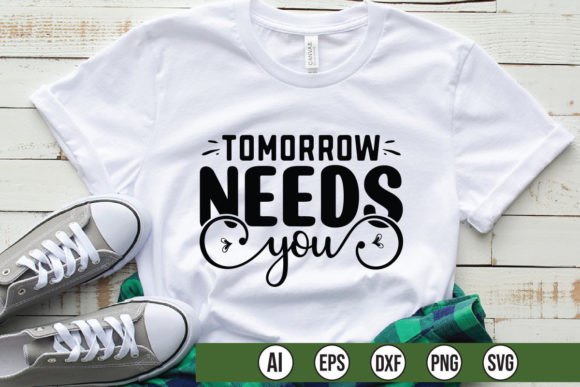
The title alone sets a tone. "Tomorrow Needs You" carries a sense of urgency mixed with hope. Visually, the layout relies on strong typography and clean lines, which is a smart choice for embroidery. Complex illustrations often get lost or turn into muddy blobs when stitched at smaller sizes, but bold, declarative phrases tend to read clearly even after multiple washes. The design feels modern and slightly minimalist, making it versatile enough for various aesthetics, from boho-chic tote bags to sleek corporate gifts.
Because the package includes 100% color-changeable files, I immediately thought about versatility. A design that allows you to swap thread colors effortlessly is a lifesaver for an Etsy seller trying to match specific customer requests or seasonal trends. The high-resolution mockups provided give a realistic preview of how the final product might look, helping you visualize the end result before committing to expensive fabric and thread.
Real-World Application: Where It Shines
I tested the concept of this design across several common handmade product categories. Here is where it naturally fits best:
- Tote Bags and Canvas Totes: This is perhaps the strongest use case. The phrase works beautifully as a statement piece on a sturdy canvas bag. The contrast between the thread and the natural or colored canvas enhances readability. It turns a simple accessory into a personalized gift that customers carry with pride.
- Sweatshirts and Hoodies: For cozy, oversized knits, the design adds a touch of personality without being overwhelming. It works particularly well for fall and winter collections. The text stands out against textured fabrics like fleece or heavy cotton blends, adding a layer of professionalism to your custom apparel line.
- Aprons and Kitchen Towels: If you are targeting home cooks or bakers, this design brings a motivational vibe to the kitchen. On a linen apron, it suggests that cooking is not just a chore but a necessary act of care. It pairs well with rustic or farmhouse-style decor themes.
- Baby Items and Nursery Decor: While the message is powerful, it also works softly for new parents. Embroidered on a muslin blanket or a onesie, it serves as a meaningful keepsake. However, here, thread selection becomes critical—you would want softer pastel threads rather than high-contrast black on white to keep the mood gentle.
Technical Considerations for Stitching
As an experienced reviewer, I must highlight the technical aspects that determine whether a design succeeds or fails. Not every file stitches equally well, and understanding these nuances is key to maintaining your reputation as a quality maker.
Stitch Density and Clarity
The success of typographic designs lies in their stitch density. If the fill stitch is too dense, the fabric may pucker; if it is too sparse, the backing material might show through. Since the file is editable, you have the power to adjust these settings. I recommend testing the design on scrap fabric first to check the balance. Pay close attention to the corners of letters—if they are too sharp, they may require additional satin stitches to prevent fraying or distortion during trimming.
Fabric Texture and Stabilizer Choice
The texture of your base fabric plays a huge role in the final look. On smooth fabrics like cotton twill, the stitches will lay flat and crisp. On textured fabrics like denim or waffle knit, the design may sink slightly into the weave, which can be desirable for a vintage look but risky for legibility. Always use the appropriate stabilizer. For stretchy fabrics like jersey knits used in t-shirts, a cut-away stabilizer is essential to prevent distortion. For woven fabrics like those used in tote bags, a tear-away stabilizer is usually sufficient and easier to remove.
Thread Color Contrast
One of the biggest mistakes beginners make is choosing thread colors that blend too closely with the fabric. To ensure maximum visual appeal, always aim for high contrast. If you are stitching on dark fabric, light threads (white, cream, light gray) will pop significantly better than dark threads. Conversely, on light backgrounds, darker threads provide clarity. The ability to change colors in the AI or EPS files allows you to experiment digitally before wasting thread.
Where to Use With Caution
While this design is versatile, there are certain applications where it requires careful planning:
- Small Hoop Sizes: If you plan to embroider this on small items like caps, hats, or tiny patches, ensure the design scales down properly. Tiny lettering can become illegible if the font weight is too thin. Check the smallest detail size in your software before hooping.
- Curved Surfaces: Embroidering on curved surfaces like baseball caps or sleeves requires advanced techniques. The design’s straight lines may distort if the curvature is too pronounced. Practice on similar materials first to understand how the fabric stretches around the curve.
- Thin or Delicate Fabrics: Avoid using this design on very thin silks or sheer fabrics without proper support. The weight of the stitches could pull or tear the material. If you must use delicate fabrics, consider using a finer thread count and reducing the stitch density.
Impact on Brand and Customer Trust
In the world of craft business and online selling, presentation is everything. A well-executed embroidery design signals professionalism and attention to detail. When customers see a clean, precise stitch job on a personalized gift, they perceive higher value. They trust that the item was made with care, which justifies a premium price point.
Furthermore, designs with positive or motivational messages tend to generate higher engagement. People love to share items that resonate with their personal values or aspirations. By offering "Tomorrow Needs You," you are providing more than just a decoration; you are offering a sentiment. This emotional connection can lead to repeat customers and word-of-mouth referrals, which are invaluable for any small shop product line.
Final Verdict
"Tomorrow Needs You" is a solid addition to any designer’s library. Its strength lies in its simplicity and adaptability. Whether you are creating commercial embroidery pieces for boutiques or crafting unique holiday embroidery gifts for friends, this design offers a reliable foundation. The inclusion of multiple file formats ensures compatibility with most modern embroidery machines, while the editable nature gives you creative freedom.
Just remember: always inspect the design details, test on scraps, and choose your materials wisely. With proper execution, this design has the potential to become a staple in your collection, driving sales and delighting customers who appreciate both style and substance.