Crazy Cousin Crew Review
I have spent years reviewing machine embroidery design files, testing everything from delicate floral scripts to bold graphic statements. When I first opened the folder for Crazy Cousin Crew, my immediate reaction was a mix of curiosity and caution. The title suggests personality, but in the world of embroidery file production, titles often promise more than the stitches deliver. This review is not just about what the file looks like on a screen; it is about how it performs when the needle hits the fabric, specifically for T-Shirt Designs and broader Graphics applications.
The First Impression: Personality Meets Practicality
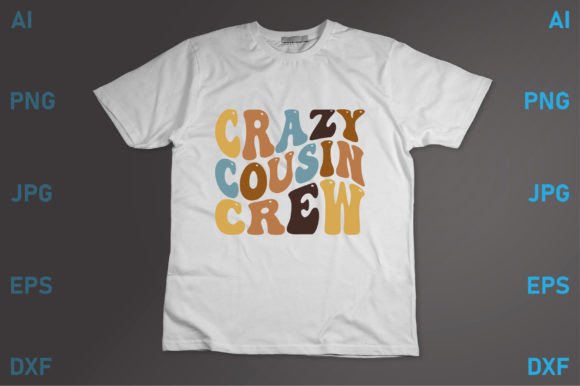
Crazy Cousin Crew exudes a specific mood right out of the gate. It feels like a design born for family reunions, close-knit friend groups, or a chaotic but loving household gathering. The layout implies a sense of unity without being overly formal. For an experienced designer, the initial visual check reveals that the theme relies heavily on typography and perhaps some playful graphical elements. However, the description mentions a size of 18 feet by 15 feet, which immediately raises a red flag for standard embroidery work. That dimension is massive for a garment, suggesting this might be intended for large-scale wall hangings, banners, or perhaps there is a unit conversion error in the product listing that needs verification before any machine is loaded.
Assuming the design scales down correctly for apparel, the visual personality is strong. It does not feel like a generic clipart piece. Instead, it has a "handmade" vibe that resonates well with current trends in craft business and Etsy seller markets. The potential for this design lies in its ability to tell a story. Whether it is a reunion shirt or a custom gift for a quirky relative, the design promises to create a finished product that feels personal rather than mass-produced.
Real-World Application: From Screen to Stitch
Let's imagine a real scenario. You are preparing a batch of custom embroidered tote bags for a local craft fair. You need something that stands out on a canvas bag but isn't so dense that it makes the fabric stiff. Crazy Cousin Crew could be a perfect candidate here. The design's versatility allows it to move beyond just t-shirts. Imagine applying this to a heavy-duty apron for a kitchen workshop or a soft sweatshirt for a holiday gift.
However, the execution depends entirely on the stitch density. If the design utilizes heavy fill stitch areas, it might overwhelm a thin cotton tote bag. Conversely, if it uses a combination of satin stitch for outlines and running stitch for texture, it could add a professional touch to a boutique product. I often advise clients to think about the "hand-feel" of the final item. A design that looks great on a digital mockup can sometimes feel like a brick after stitching if the stitch density is too high. With Crazy Cousin Crew, you must consider how the threads will sit against the fabric texture. On a smooth polo shirt, the details might pop, but on a textured linen or a fuzzy fleece, the edges could blur slightly.
For custom apparel, the placement is key. A crew neck sweatshirt offers a flat canvas where this design would shine, especially if paired with complementary thread colors. But for smaller items like baby clothes or caps, the scale becomes a critical factor. If the design includes tiny lettering or intricate corners, it might get lost on a small hat brim or a onesie. The editing capability mentioned in the product notes is a huge plus here. Being able to separate elements allows you to resize or reposition parts of the design to fit different hoop sizes without ruining the composition.
Where to Be Careful: Limitations and Risks
No design is perfect for every situation, and Crazy Cousin Crew is no exception. There are specific scenarios where this design might struggle. Small hoop sizes are the first enemy of complex designs. If you attempt to stitch this on a very small patch or a child's sock without scaling it down significantly, you risk losing the fine details. The sharpness of the lines depends on the resolution of the digitizing, and if the original file is not optimized for small formats, the result may look muddy.
Textured fabrics present another challenge. While the design might look crisp on a flat t-shirt, applying it to a knitted sweater or a woven blanket can cause the stitches to sink into the fabric, altering the intended shape. Stretchy fabrics require extra care; if the stabilizer is not chosen correctly, the design could pucker or distort as the fabric moves. Dark fabrics also demand a strategic approach to thread colors. If the design relies on light threads for detail, they might disappear against a black background unless a proper underlay or cover-up stitch is used.
Furthermore, products that undergo frequent washing, such as kitchen towels or children's clothing, need durable construction. If the design has long, loose runs of thread, they are prone to snagging. For commercial embroidery projects where longevity is part of the value proposition, you must inspect the finished product closely to ensure the stitches are secure. Decorative accents that are too delicate might not hold up to the rigors of daily use, potentially affecting customer trust in your brand.
Design Notes for the Serious Maker
Before you commit to running a full production run of Crazy Cousin Crew, there are practical steps every designer should take. First and foremost, test the design on scrap fabric. Do not assume the digital preview matches the physical reality. Check the thread color contrast by creating a black and white mockup; sometimes colors that look distinct on a screen blend together when stitched. Review the stitch density carefully to ensure the design is not too heavy for the intended fabric weight.
Confirm your hoop size capabilities. If the design is large, ensure your machine can handle the dimensions or plan to split the design appropriately. Inspect small details under magnification to see if any elements are too fragile. Use proper stabilizer based on the fabric type; this is often the difference between a professional-looking item and a warped mess. Compare the design on both light and dark fabric backgrounds to verify visibility.
It is also crucial to check whether the design works for both personal and commercial projects. Licensing terms vary wildly, and selling a finished item made from a file intended for personal use only can lead to legal issues. Confirm the licensing before using this asset in your small shop product line or printable mockup previews. Finally, ensure the file format is compatible with your embroidery machine software. The mention of a ZIP folder containing various files is standard, but verifying the specific formats (like .DST, .PES, .EXP) is essential for workflow efficiency.
Final Verdict on Visual Appeal and Value
In conclusion, Crazy Cousin Crew has the potential to be a standout asset for designers looking to add personality to their embroidery project portfolio. Its strength lies in its thematic appeal and the flexibility offered by editable elements. When executed correctly, it enhances brand consistency and creates a memorable personalized gift or boutique branding element. However, success depends on the maker's ability to navigate the technical challenges of scale, fabric choice, and stitch density.
For digital product sellers and creative entrepreneurs, this design offers a unique opportunity to tap into the market for family-themed and group-oriented merchandise. Just remember that the quality of the finished product reflects directly on your reputation. Take the time to test, adjust, and refine. When done right, Crazy Cousin Crew transforms from a simple graphic into a cherished keepsake that customers will want to wear, display, and share.