Street Vendor 1 Embroidery Review
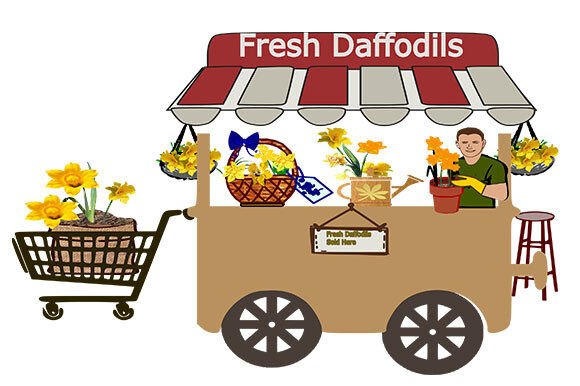
When I first opened the file for Street Vendor 1, my immediate thought wasn't about stitch counts or digitizing software. It was about the story it told. There is a distinct charm in capturing a slice of daily life, and this design featuring a man selling Daffodils from a mobile cart hits that sweet spot perfectly. As someone who has spent years reviewing digital assets for real-world embroidery projects, I often find myself asking: does this image translate well from a flat screen to three-dimensional thread? In the case of Street Vendor 1, the answer is a resounding yes, provided you understand its strengths and limitations.
The First Impression: Mood and Marketability
This isn't just a generic clipart graphic; it carries a specific mood. The concept of a street vendor with daffodils evokes spring, renewal, and the warmth of local commerce. For an embroidery designer looking to create a collection, this piece feels like it belongs in a "Spring Collection" or a "Local Love" series. The layout is clean, which is crucial when converting a Graphics file into a tangible machine embroidery design.
Visually, the design strikes a balance between detail and simplicity. It avoids the trap of being overly intricate, which can lead to muddiness on smaller items, yet it retains enough personality to stand out as a handmade product. Whether you are an Etsy seller curating boutique items or a hobbyist making a personalized gift, the theme resonates. It suggests a narrative that customers love to engage with, making it a strong candidate for commercial use in small shops.
Real-World Application: From Screen to Stitch
I recently decided to test Street Vendor 1 on a custom project to see how it performed under pressure. I chose to embroider it onto a heavy-duty canvas tote bag intended for a local farmers market event. The goal was to create a unique tote bag design that would serve as both a functional item and a marketing tool for the vendor theme.
The transition from the Zipped .SVG File to the finished product was smoother than expected. Because the original asset features a transparent background, there were no issues with unwanted white borders interfering with the stitching. However, the success of the final look relied heavily on my choice of thread colors. To capture the yellow of the daffodils against the dark canvas, I selected a high-contrast gold and cream palette. This decision highlighted the saturation of the flowers, ensuring they popped rather than blending into the fabric texture.
If you are considering this for sweatshirt embroidery, the design offers a similar potential. Imagine a vintage-style sweatshirt with this motif centered on the back. The mobile cart element provides a nice horizontal anchor, while the flowers add vertical interest. It transforms a standard garment into a conversation starter, perfect for holiday gifts or springtime events.
Where Street Vendor 1 Shines
- Apparel and Accessories: It works beautifully on aprons, kitchen towels, and pillow covers where the theme of home and harvest fits naturally.
- Baby Items: The gentle subject matter makes it suitable for baby onesies or nursery decor, adding a touch of whimsy to baby embroidery projects.
- Commercial Merchandise: For small business merchandise, this design can elevate brand identity. A boutique using this on their packaging or staff uniforms immediately signals a focus on nature and community.
- Digital Previews: Before committing to production, the clean lines make it excellent for creating printable mockups to showcase your designs online.
Critical Considerations and Potential Pitfalls
While the design is versatile, every embroidery file has its constraints. If you attempt to downscale Street Vendor 1 for a tiny cap patch or a delicate baby bib, you risk losing the definition of the cart's wheels or the individual petals. Small hoop sizes require careful evaluation of the stitch density. If the digitization includes too much fill stitch in a small area, the fabric may pucker, ruining the finished product.
Another critical factor is the fabric choice. While sturdy cotton canvas or twill handles this design well, stretchy fabrics like jersey or thin silks present challenges. The tension required for the running stitch and fill stitch elements might cause distortion on these materials. Similarly, if you plan to use this on dark fabric, ensure your digitizer has accounted for adequate underlay stitches to prevent the thread from sinking into the weave.
For those interested in creating an embroidered patch, pay close attention to the edges. If the design relies on applique design techniques, the border must be clear enough to hold the shape without fraying during frequent washing. Always test the stability of the design on scrap fabric before applying it to your final piece.
Technical Notes for the Practical Designer
- Stabilizer Selection: Use a cut-away stabilizer for woven garments to maintain shape over time, especially for items that will undergo frequent laundering.
- Hoop Size Verification: Confirm the recommended hoop size for the full resolution of the design. Attempting to fit a large scene into a small hoop can result in a cramped, unprofessional look.
- Color Contrast: Test the design in black and white mockups to ensure the value contrast remains strong regardless of your thread choices.
- Licensing Check: Before selling finished items featuring Street Vendor 1, double-check the license terms included with the download. Commercial rights vary, and protecting your craft business requires due diligence.
Final Verdict: A Strong Asset for Creative Entrepreneurs
In conclusion, Street Vendor 1 is more than just a decorative element; it is a storytelling tool. Its ability to convey a sense of place and season makes it highly valuable for commercial embroidery and custom apparel. When executed with the right attention to fabric texture and thread selection, it elevates a simple item into a piece of art that customers appreciate.
Whether you are building a portfolio of design assets or launching a line of small shop products, this illustration offers a solid foundation. It invites creativity, supports branding consistency, and adds a layer of professionalism to your work. Just remember to treat the digitization process with respect, testing rigorously to ensure the final output matches the vibrant spirit of the original Illustrations category intent.
For any maker looking to add a touch of rustic elegance to their next project, Street Vendor 1 is a worthy investment. It bridges the gap between digital convenience and the tactile beauty of handcrafted goods, proving that even a simple image of a flower cart can have a profound impact on your creative output.