I May Be Wrong but I Doubt It Embroidery Review
As a designer who has spent years testing digital assets for real-world embroidery projects, I approach every new file with a mix of excitement and skepticism. You have likely seen I May Be Wrong but I Doubt It floating around various marketplaces as a trendy SVG design. But does it hold up when translated from a flat screen to the needle of an embroidery machine? Today, I am putting this specific design through its paces to determine if it is worth adding to your commercial inventory or personal collection.
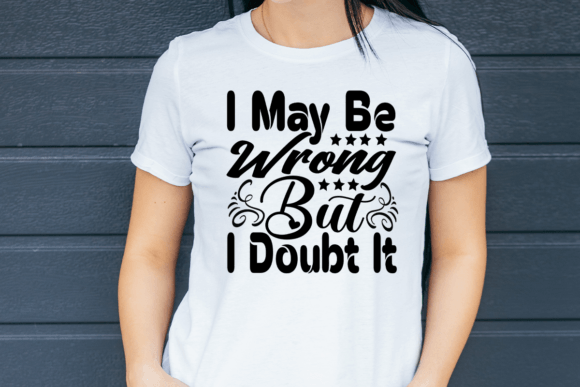
The first impression of I May Be Wrong but I Doubt It is one of confident wit. The typography suggests a playful attitude that fits perfectly with modern casual wear and boutique branding. When you look at the layout, the phrase creates a natural rhythm that guides the eye across the fabric. Unlike some designs that feel cluttered or overly dense, this piece relies on the strength of its lettering to carry the visual weight. It feels like something that would sit comfortably on a high-quality sweatshirt or a sturdy canvas tote bag, instantly communicating personality without needing extra decorative elements.
Real-World Application in Custom Apparel
Imagine you are preparing a batch of custom embroidered tote bags for a local craft fair. You want a design that stands out but doesn't overwhelm the product. This is where I May Be Wrong but I Doubt It shines. The design translates well to medium-sized hoop areas, making it ideal for center-chest placement on adult apparel or the front panel of a baby onesie. The bold nature of the text ensures that even if the stitching isn't perfect, the message remains clear and legible.
I also envision this design being used on holiday gifts or personalized aprons for kitchen enthusiasts. The phrase adds a touch of humor that appeals to a wide demographic, from young adults to seasoned home cooks. When applied to a dark-colored garment, the contrast provided by standard thread colors can make the text pop effectively. However, the success of the final product depends heavily on your choice of thread color and the density of the fill stitches. If you are aiming for a premium look, using a metallic thread for the outline or a contrasting satin stitch could elevate the perceived value of the item significantly.
Where to Use It Carefully
While the design is versatile, there are specific scenarios where caution is required. If you are working with small hoop sizes, such as those used for wrist cuffs or hat brims, you must evaluate the spacing of the letters closely. Tight lettering can sometimes cause the needle to collide with existing stitches, leading to puckering or distortion. Additionally, textured fabrics like heavy denim or bouclé wool can hide the fine details of the embroidery, making the text appear muddy rather than crisp.
Stretchy fabrics present another challenge. While I May Be Wrong but I Doubt It looks great on stable materials, applying it directly to thin, stretchy jersey without proper stabilizer can result in a warped finish after washing. The design's density needs to be supported by a cut-away stabilizer to maintain its shape over time. For curved surfaces like caps, the curvature of the fabric might alter the perception of the text, so a test run on scrap material is essential before committing to a customer order.
Technical Considerations for the Embroidery Designer
When integrating this into your workflow as a Print Templates or Graphics asset, remember that the source file format matters. The product description mentions SVG, PNG, DXF, and EPS formats, which are excellent for cutting machines and digital mockups. However, for actual machine embroidery, you need to ensure the vector data converts correctly into stitch paths. A design that looks sharp in a digital preview may suffer from excessive jumps or trims when digitized for embroidery.
To ensure the highest quality finished product, I recommend following these practical steps:
- Test on Scrap Fabric: Always stitch a sample on the same fabric type you intend to use for the final project. This helps you gauge how the material reacts to the tension of the threads.
- Check Thread Color Contrast: Compare light and dark fabric backgrounds to see if the thread colors provide enough visibility. High contrast usually yields the best results for text-heavy designs.
- Review Stitch Density: Look at the fill stitch settings. If the density is too high, the fabric may pucker; if too low, the background fabric might show through the gaps.
- Confirm Hoop Size: Ensure your hoop is large enough to accommodate the full width of the design without cutting off any letters or creating awkward edges.
- Inspect Small Details: Zoom in on the corners of the letters. Tiny serifs or sharp angles can sometimes get lost in the stitching process if not properly optimized.
Impact on Brand and Customer Trust
In the world of handmade products and Etsy listings, the quality of your embroidery speaks volumes about your brand. A clean, well-executed I May Be Wrong but I Doubt It design signals professionalism and attention to detail. Customers are more likely to trust a seller who presents their goods with care, especially when purchasing personalized gifts or boutique items. Conversely, a sloppy execution can lead to returns and negative reviews, damaging your reputation as a small business owner.
This design also offers flexibility for commercial embroidery projects. Whether you are creating merchandise for a startup, designing patches for a uniform, or producing limited-run holiday collections, the versatility of the phrase allows it to fit various themes. It works equally well as a standalone statement or as part of a larger graphic composition. The key is to treat it as a serious design asset rather than just a quick print-out.
Final Thoughts on Design Assets
Ultimately, I May Be Wrong but I Doubt It is a strong candidate for your embroidery library, provided you respect the technical limitations of the medium. It captures a mood that resonates with today's consumers who appreciate humor and authenticity. By taking the time to test the design, adjust the stitch density, and select the right stabilizers, you can transform this digital file into a tangible, high-value product.
Remember to check the licensing terms before selling finished items made with this design. Confirm whether the purchase allows for commercial use or if it is restricted to personal projects. Once you have verified these details, you can confidently incorporate this design into your creative workflow. Whether you are decorating a nursery pillow, crafting a unique patch, or launching a new line of custom apparel, this design has the potential to become a standout piece in your portfolio.
For those looking to expand their digital product offerings, consider creating printable mockups featuring this design. Showcasing how it looks on different fabrics and garments can help potential buyers visualize the final result. In the competitive landscape of craft businesses, having high-quality, reliable design assets like I May Be Wrong but I Doubt It gives you the edge you need to succeed. Happy stitching!